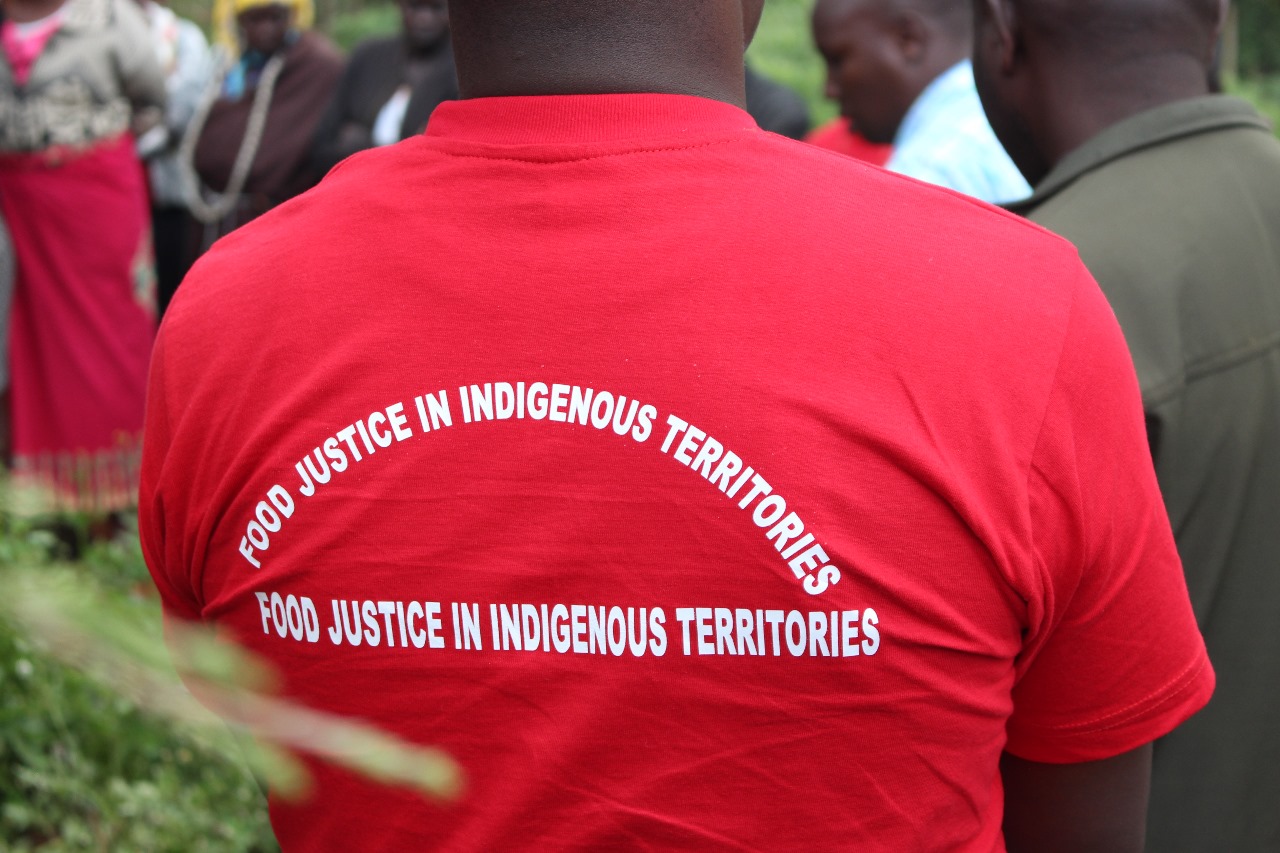
Achieving Food Sovereignty through Nurturing Agroecology Transitions
9 August 2024, Mlango Moja, Baringo County – Haki Nawiri Africa and KOWYN partnered to conduct training to empower the Kwombereriet Ogiek Women Group on agroecological transitions. The training was financed by Land is Life. The training targeted Baringo and Elgeiyo Marakwet Counties which have a large number of Indigenous peoples.
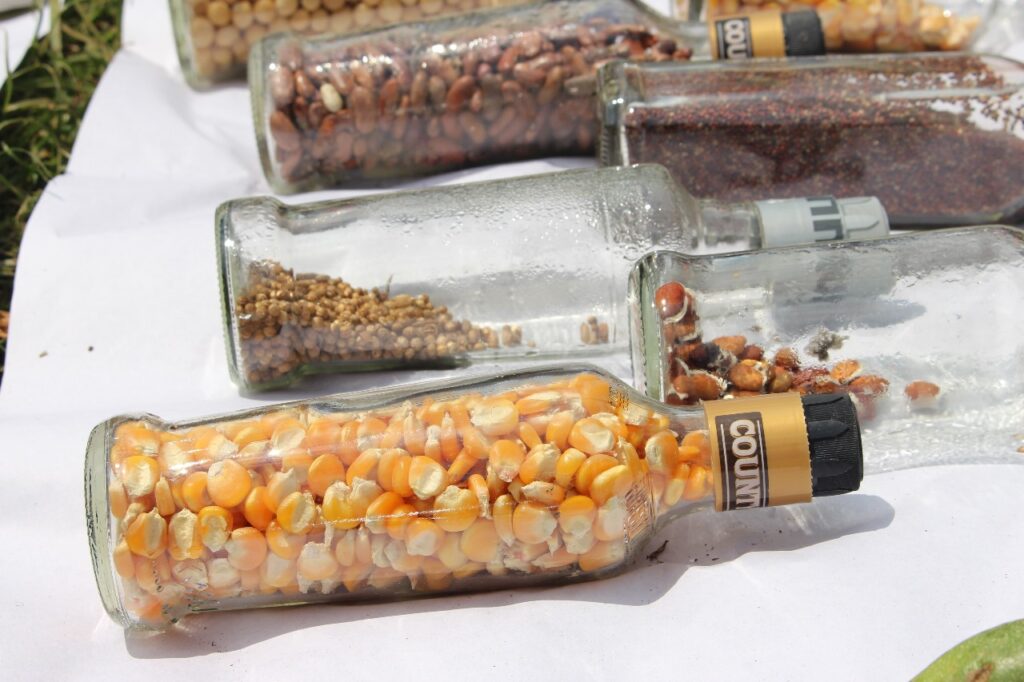
Haki Nawiri’s Leonida Odongo and Brian Odero led the initial sessions where the community members played a game as an icebreaker. She briefly unpacked food sovereignty as the power to control what one produces and eats. She highlighted the benefits of seed saving as a way to achieve food security. By doing this, the Ogiek control their food production and allow varieties to adapt to their specific conditions. The seeds can be stored in tightly sealed glass containers. It is also possible to store different kinds of seeds in individual paper packets in one large container. The seeds have to be kept dry and cool.
KOWYN’s executive director, Judy Kipkenda addressed the session on Land Rights as her family is part of the Ogiek population that encountered the eviction. She boldly acknowledged the violation of the rights of her community by private bodies and the government of the day in the eviction era. She challenged the community to adapt to the new way of life as advocates and activists increased pressure to reclaim their ancestral land.
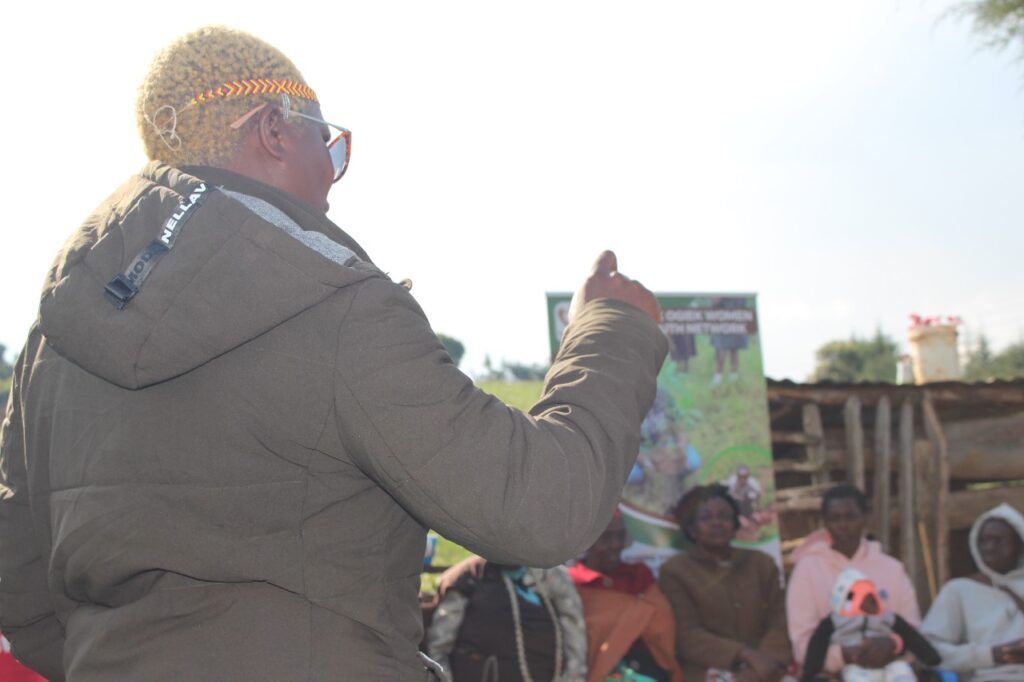
Judy stated that we cannot emphasize food sovereignty for the Ogiek community without first addressing the issue of access to land. Originally, the forests were the Ogieks’ bread basket. They would use some tree species for medicine and many other herbs and fruits for nutrition. The impact of the forceful evictions continues to mar the Ogiek community’s ability to delve fully into sustainable food production. They live in fear of being relocated again and have never really gained the feeling of being at home. The disruption of their food system, that is, honey and organic food is an issue that cannot be further ignored.
Another caveat to achieving agroecology in the Ogiek community is the gender norms and dynamics at play in the Ogiek community. From the gender analysis conducted during the session, it was evident that Ogiek men and women need to renegotiate roles. It was also interesting to learn that Ogiek women need to ask for permission to use family land from their partners.
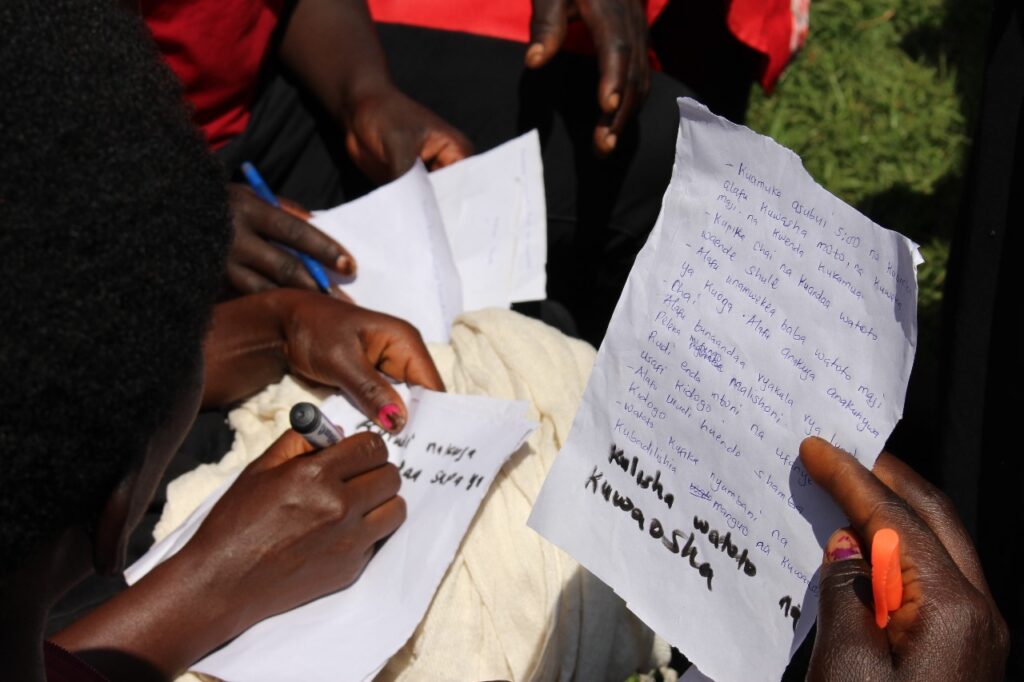
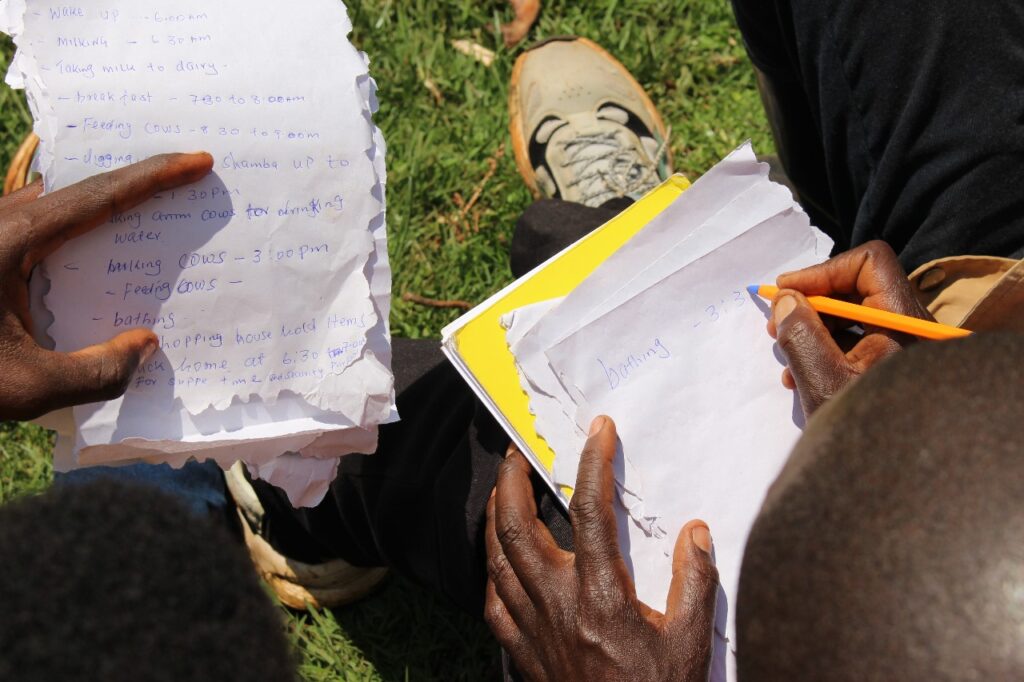
The women’s day-to-day activities started early and ended late with household duties taking up 90% of their time. This makes it hard for them to spare time for the farming activities.
The men seemed to have more free time which they spent in the shopping center. Their contribution to household duties was not much. They however seemed to be open to division of labour around care work and farm duties.
The sessions also covered policies that would be key to achieving sustainable agriculture and how the community would be able to engage in public and civic forums.
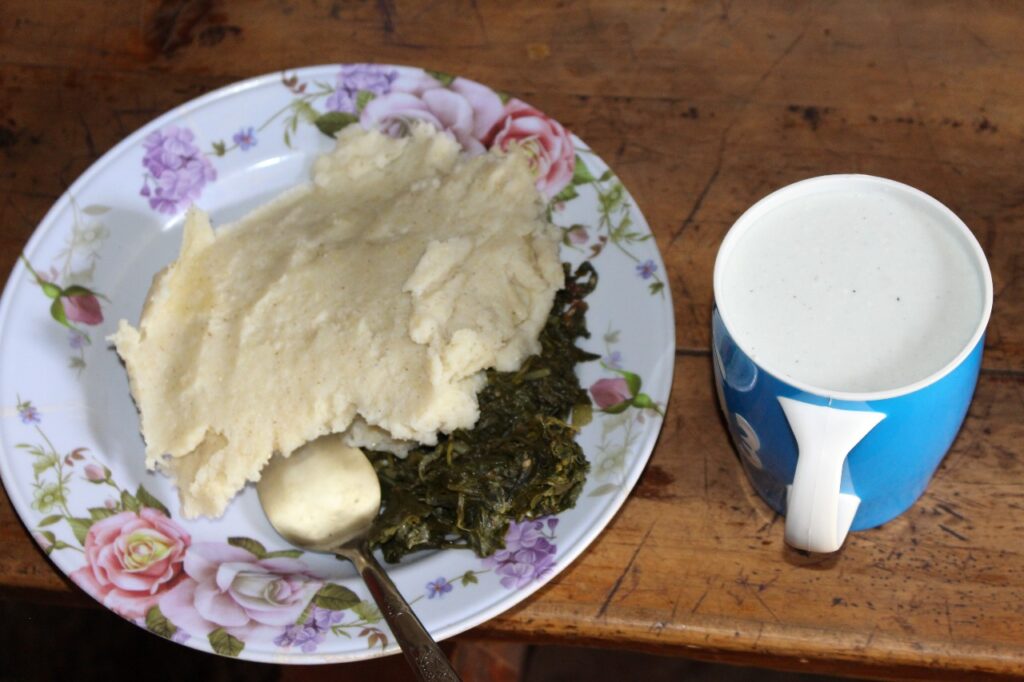
At the end of the session, the team was served a warm meal to crown their hard work prepared by the community. They served Ugali, vegetables, and Mursik. Mursik is a traditional fermented milk variant of the Kalenjin people of Kenya. It can be made from cow or goat milk and is fermented in a specially made calabash gourd locally known as a sotet. The gourd is lined with soot from specific trees, such as the African senna, which adds flavor to the fermented milk.
Want to learn more about KOWYN’s work? Follow us on our Socials.
Compiled and written by: Karen Kilwake – Communication Consultant, KOWYN