Pursue a Sustainable Lifestyle: Reduce Waste & Rethink Habits
The 3R’s acronym is not news to many of us in the green transition journey, that is “reduce, reuse, recycle”. Did you know that they are listed in order of priority? The easiest and fastest way to deal with waste is by not creating it in the first place! We recognize that it might be impossible to minimize plastic production among other non-biodegradable items that cause waste from the start. In that regard, we must find new ways to increase the usefulness of an item. By this time, the product has served you for a reasonable amount of time, you might want to recycle it.
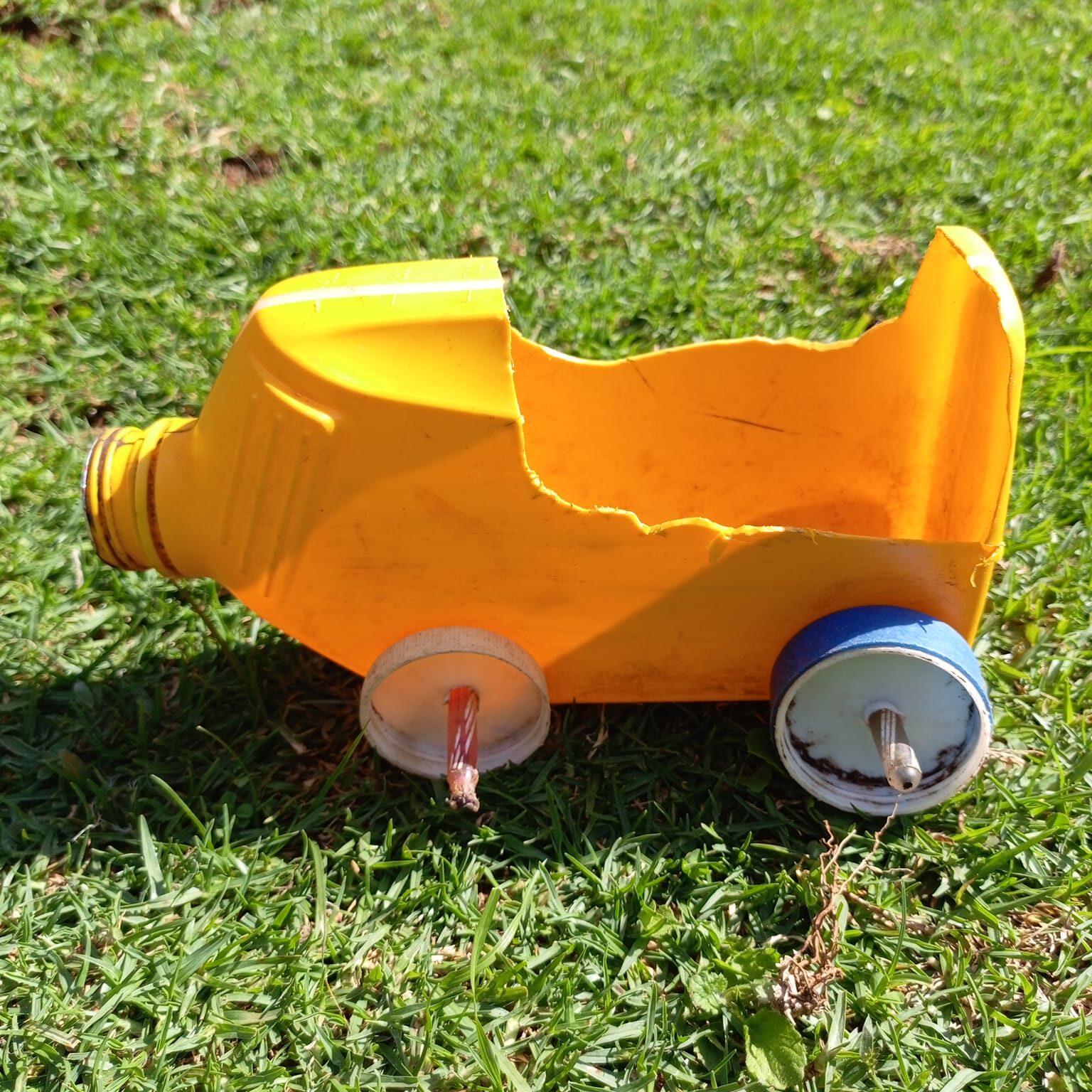
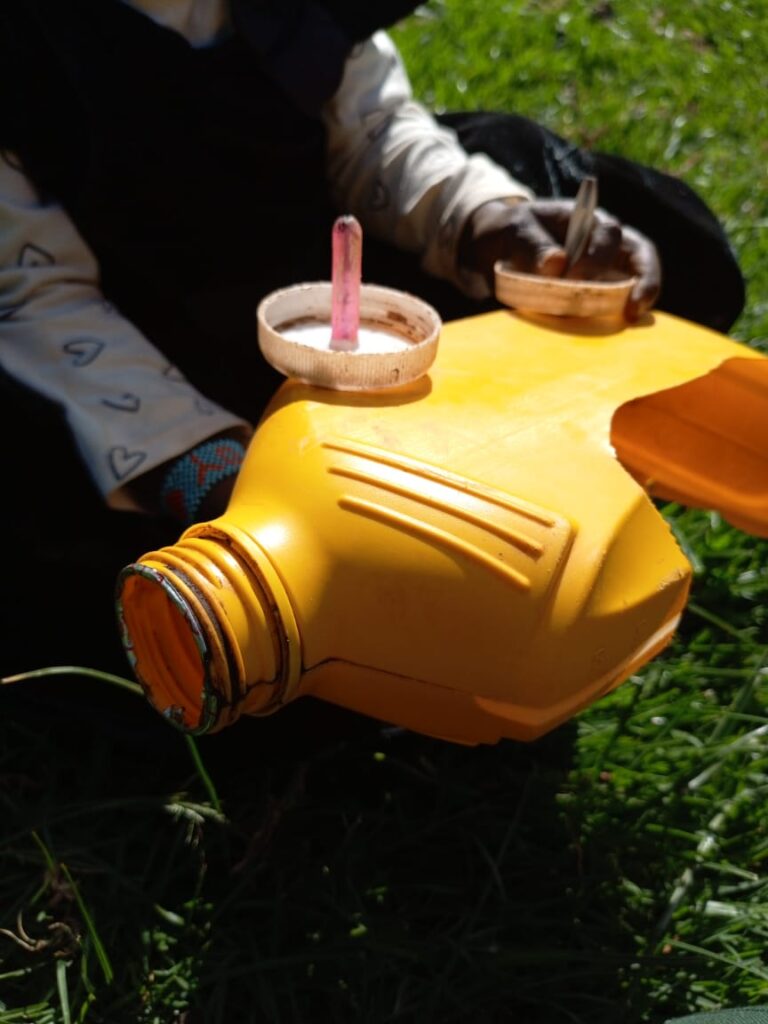
Do you remember when your parents made for you your first DIY toy car? Do you remember feeling bad that your neighbors had a remote control and yours had a shoelace attached to it because you were the driver [literally?]
The great news is that your household was contributing to a more sustainable future by recycling the plastic from the cooking oil can, the lids from the bottles, and the pens that boiled in your school bag. Partly, we might have had these kinds of toys because of poverty. Let’s face it, you would rather buy bread for the WHOLE family at £1 than a toy car that will end up breaking hours after its arrival. Your parent had to make a choice.
Sadly, many toys end up in the dump as waste because toddlers get bored, thus moving on from the toy that once brought them so much delight. When this happens, parents keep buying new toys without a good plan to dispose of the old ones.
Therefore, if we are going to win at achieving the 🍃Climate Action targets [#SDG13], EVERYONE must be ready to adopt different ways of reducing waste, reusing, and recycling. Here are a few practical tips to transition to a sustainable lifestyle;
- Buy in bulk to minimize packaging.
- Remember to take reusable bags to carry your groceries home.
- Own a reusable water bottle.
- Try DIY toys so that kids can participate in making them.
- Say “NO” to plastic straws when out to eat.
- Donate/sell items that can be reused.
- Take your washable mug to the office instead of disposable cups.
- Change wasteful habits like leaving lights on and taps & engines running.
- Choose to go paperless when possible for bills, emails, and write-ups. If you must print, print double-sided and in grayscale. You’ll save ink, paper, and money.
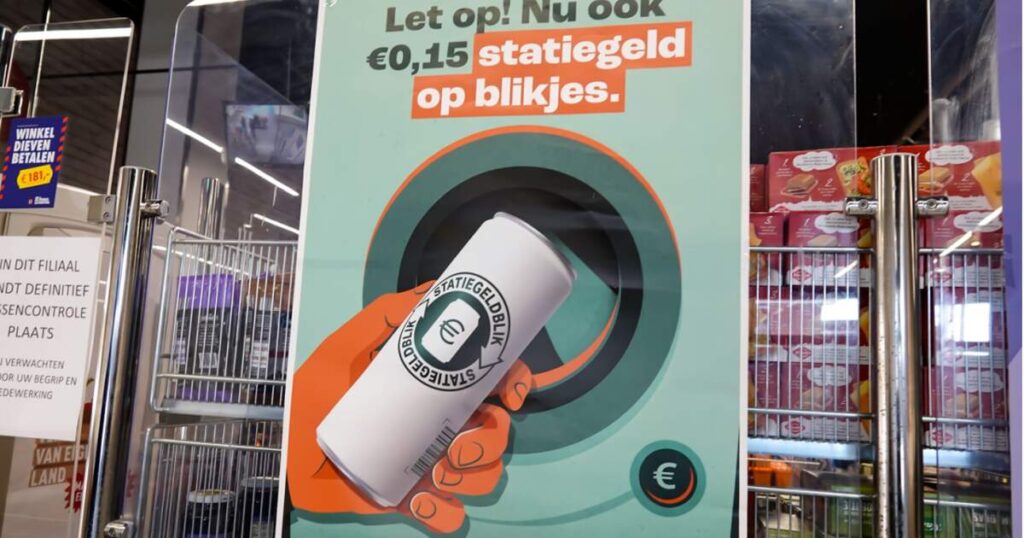
In the Netherlands, the Dutch are encouraged to recycle plastic bottles by receiving money for every bottle they throw away at special recycling machines. This is called statiegeld (deposit). These machines are located in supermarkets, petrol stations or the train station. Kenya doesn’t have a well-thought-out plan for waste management and this makes it difficult for citizens to adopt new ways of disposal. Like the Netherlands, the Kenyan government can try to incentivize this move to curb littering and promote a culture of recycling, reusing, and rethinking.
Ultimately, as an individual, you still have a personal responsibility to change wasteful habits and replace them with more sustainable practices.
Written by Karen Kilwake