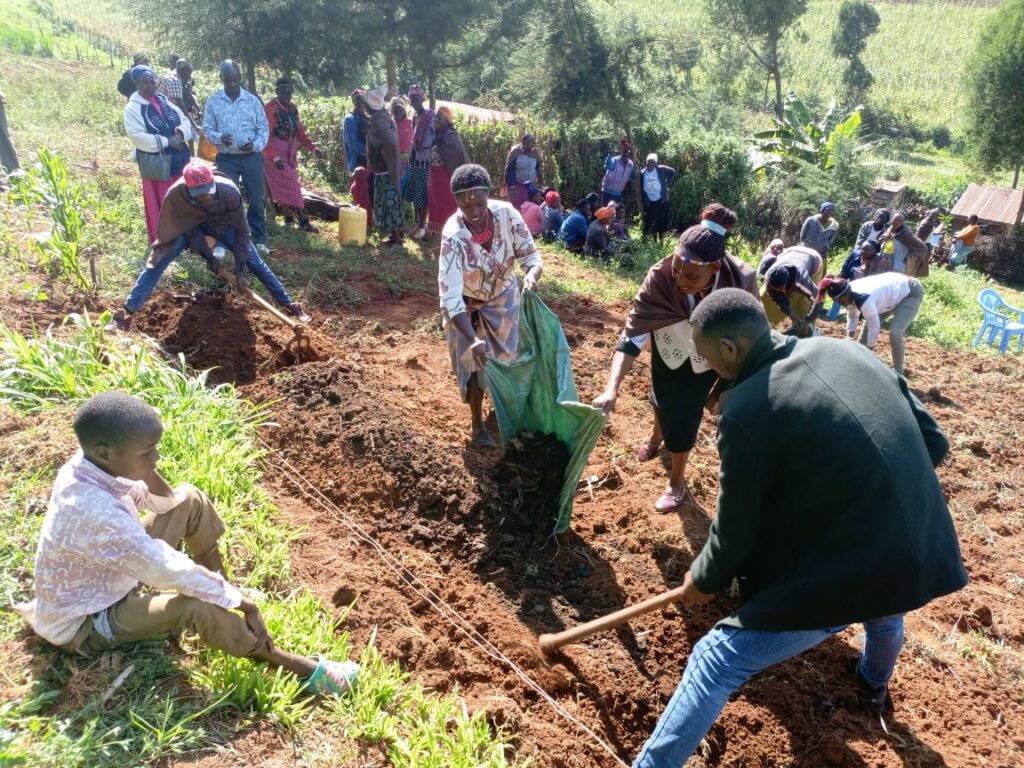
Ogiek Community Agroforestry Kitchen Garden Training
24 September 2024, Mlango Moja, Baringo County – KOWYN conducted a training on how to create and manage an Agroforestry Kitchen Garden as part of our Seeds of Change project with Cultural Survival [under the Keepers of the Earth Fund]. The training was done by Hosea Kandagor who is passionate about regenerative food systems. We also had Monica Yator joining to complement the training as an agroecology specialist as well as our board advisor.
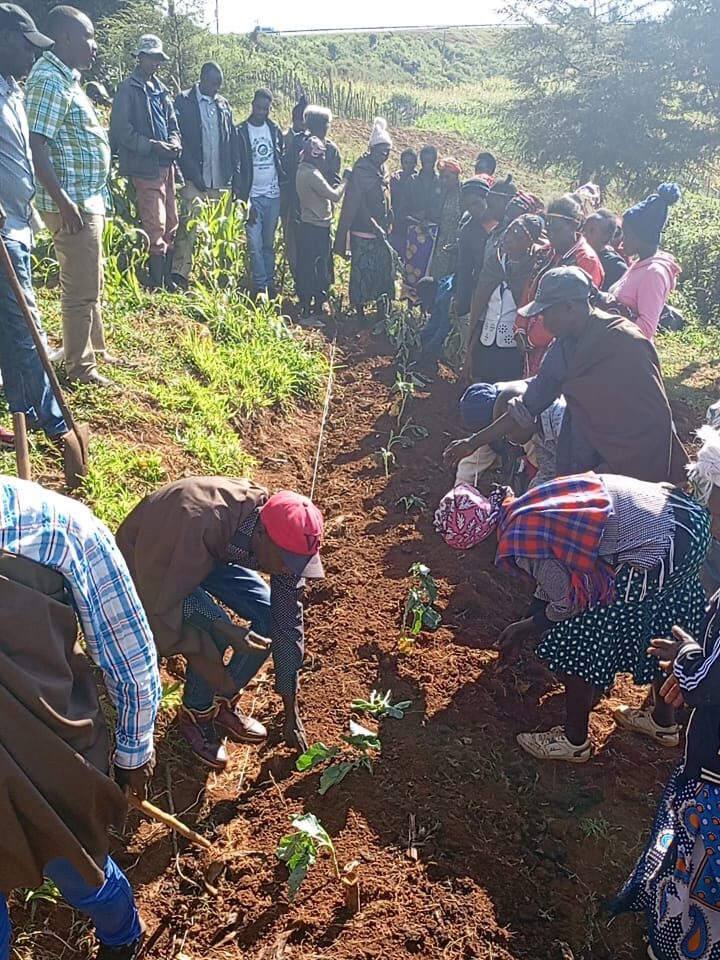
To have great and bountiful produce, Hosea emphasized;
- Picking the right manure: Using organic manure is more sustainable and earth-friendly than commercial fertilizers. One of the shocking realizations was the possibility of human manure away from the animal manure we are used to. He discouraged the use of commercial fertilizers as they may contain only two of a few nutrients. This is not so with organic manure which has more benefits than just nutrients.
- Have enough water for irrigation: Water is life, this cannot be overstretched. Depending on the rain only may not be sufficient. Given the adverse effects of climate change, weather patterns are changing and the rainy seasons may not come like clockwork as we have previously known.
- Deal with soil erosion: To ensure maximum water retention, the community was advised to install terraces to hold the soil. Alternatively, one can plant grass on the edges of the farm as it also builds up the soil structure.
- Plant a variety of crops: This ensures soil nutrients are retained. Planting the same crop poses a threat to the health of the garden.
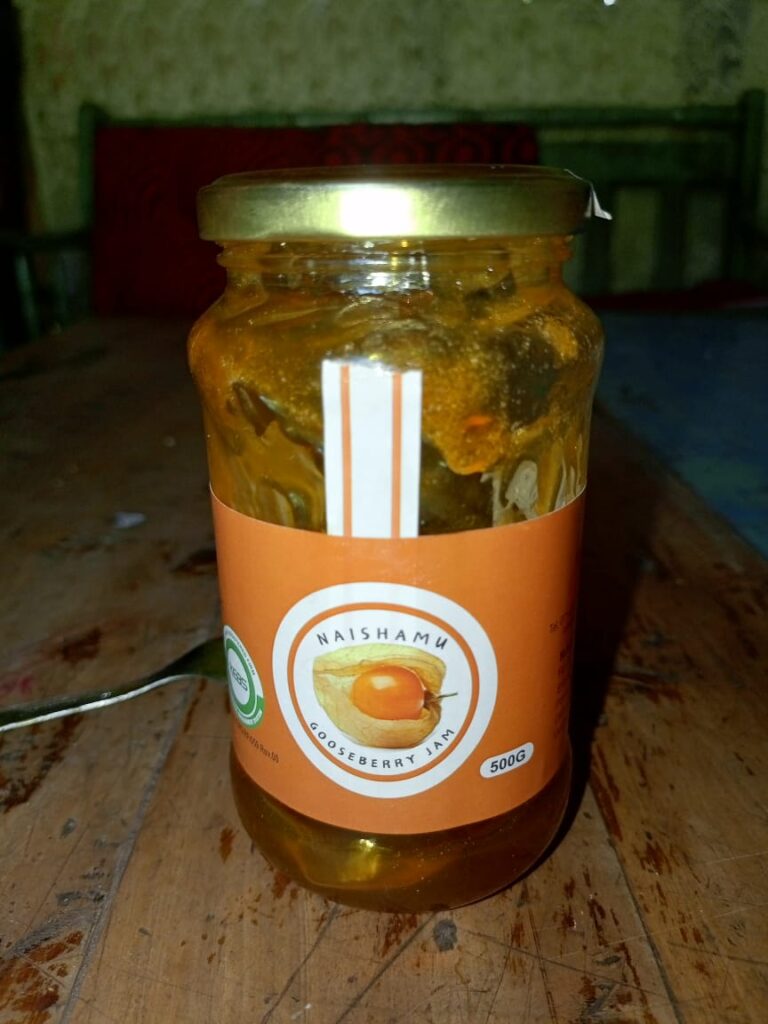
Hosea also brought gooseberry jam as an exhibit for the training. Gooseberry is a tart fruit high in nutrients, such as vitamin C. It has several potential health benefits, including anti-aging, antioxidant, and anti-carcinogenic properties. In Kenya, gooseberry grows as an understory crop in forests and is found in agro-forestry systems as an intercrop. They cover about 1 to 2.5m wide ground and thus are a good crop for kitchen and school gardens. This makes it a perfect crop for the Ogiek community to adopt in their kitchen garden. He shared his vision to have the Ogiek community plant, produce, and sell such products in the East African market. All the participants tasted the jam which looked like honey. Additionally, they have room for creativity where they can innovate new products based on the indigenous fruit species that thrive in their area.
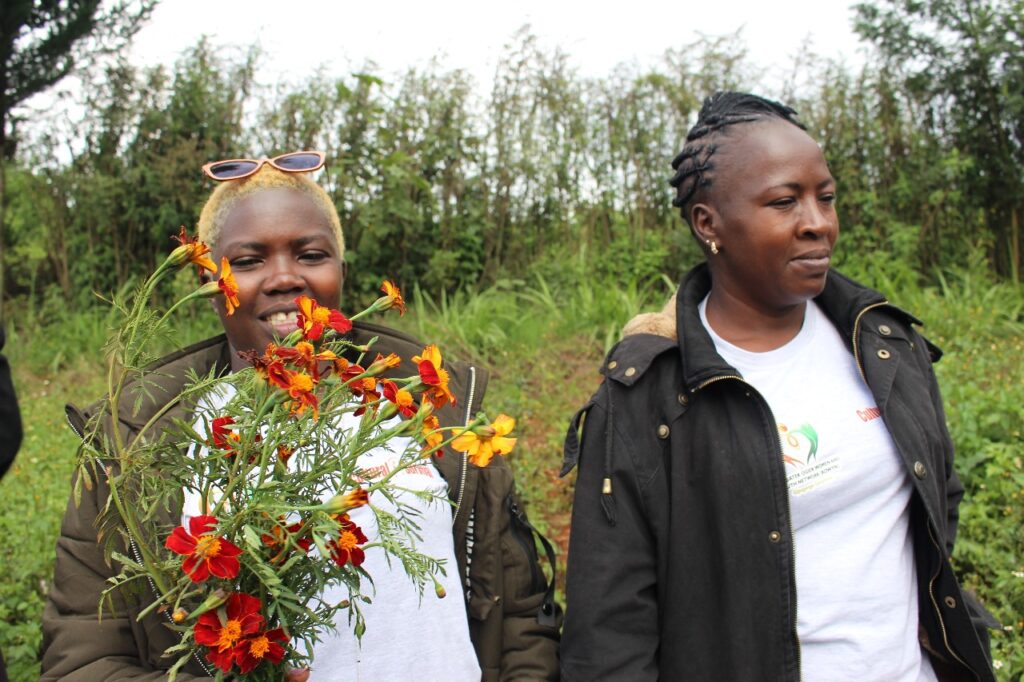
For pest control, the Marigold flower was recommended. It is natural and works also to attract ladybirds and praying mantis which also eat up other harmful insects. It provides aesthetics as well with its bright color.
To learn more about other activities in our Seeds of Change project under Cultural Survival, click here.
Compiled and Written by Karen Kilwake.