Monitoring Progress in Maji Mazuri Forest: Restoring Nature, Strengthening Climate Resilience.
Monitoring Progress in Maji Mazuri Forest: Restoring Nature, Strengthening Climate Resilience
At the Koibatek Ogiek Women and Youth Network (KOWYN), restoration does not end when a tree is planted. It continues through consistent monitoring, community stewardship, and a shared commitment to ensuring every seedling has the opportunity to grow into a thriving forest.
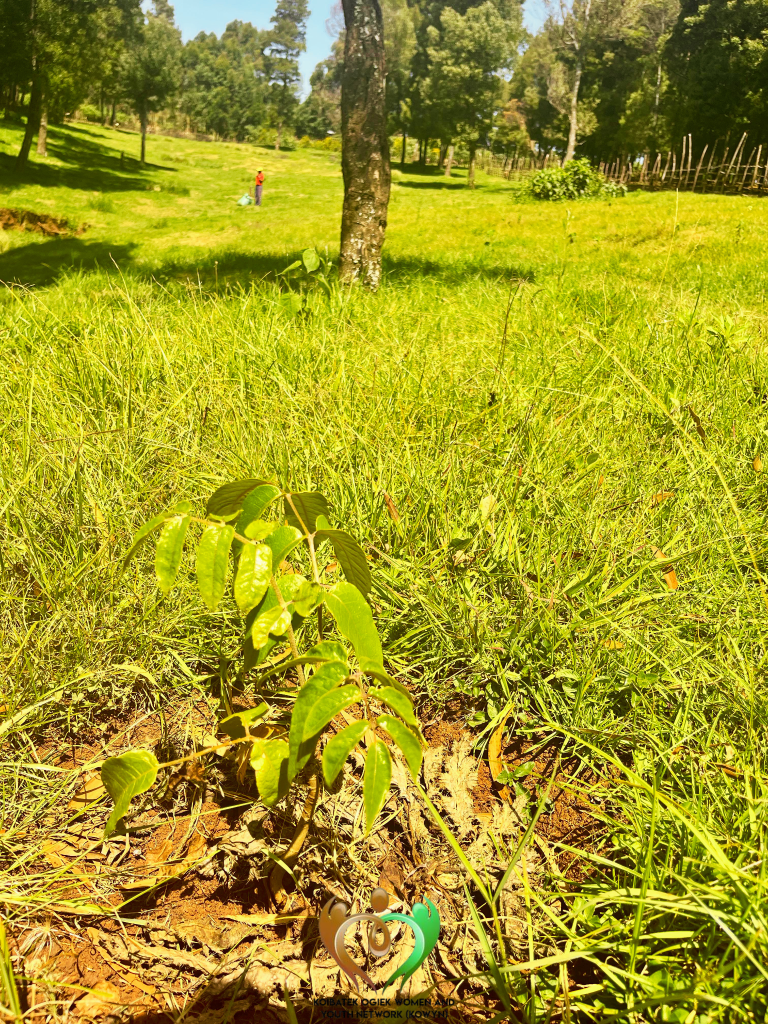
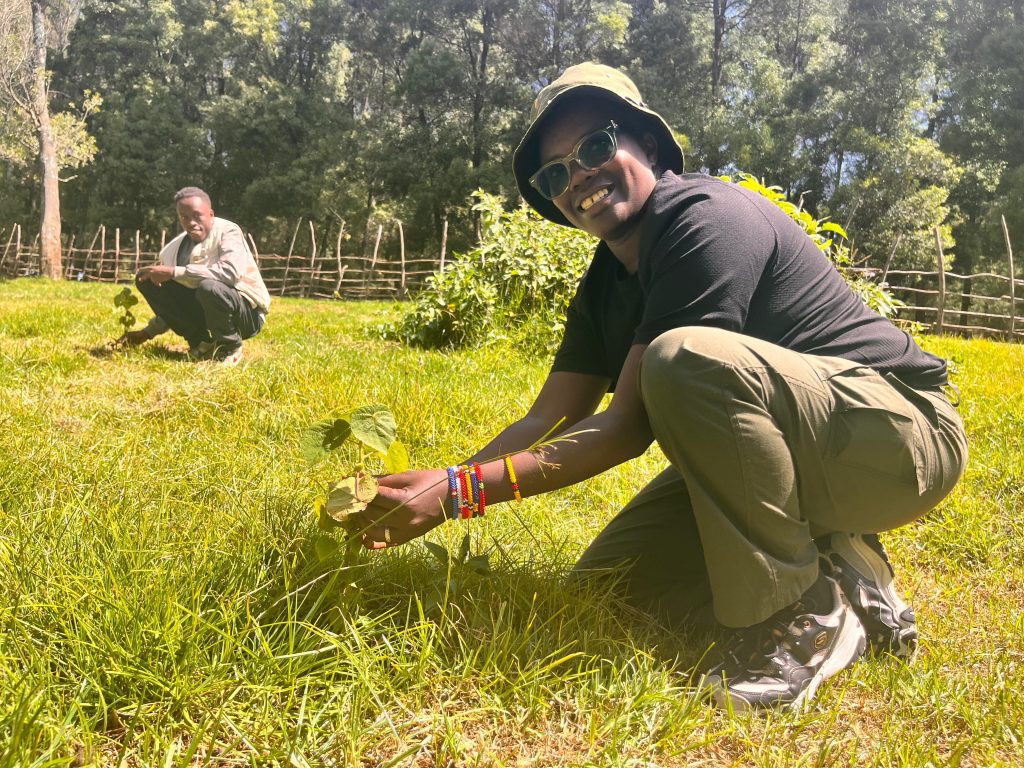
As part of our ongoing landscape restoration efforts, our team conducted a field monitoring visit to Maji Mazuri Forest in Kapsimotwo to assess the progress of the indigenous tree seedlings planted earlier this year. The visit provided an opportunity to evaluate tree survival, identify challenges affecting growth, and engage with community members who continue to care for the restored landscape.
A Promising Milestone for Forest Restoration
Despite experiencing prolonged dry conditions over the past several months, the monitoring exercise revealed an encouraging outcome: 90% of the planted indigenous trees have survived.
This achievement reflects the dedication of local communities and KOWYN’s continued investment in restoring degraded forest ecosystems. It also demonstrates that with proper planning, community ownership, and regular follow-up, forest restoration initiatives can succeed even under challenging climatic conditions.
Each surviving tree contributes to rebuilding healthy ecosystems by protecting biodiversity, reducing soil erosion, improving water catchments, capturing carbon, and creating a more resilient environment for future generations.
Why Monitoring Matters
Monitoring is a critical part of successful ecosystem restoration. It allows us to assess the health and survival of planted trees, identify areas requiring additional support, and make informed decisions that improve the long-term success of restoration efforts.
For KOWYN, monitoring is not simply about measuring results it is about learning, adapting, and ensuring that every restoration initiative delivers lasting environmental and community benefits.
Regular field visits also strengthen collaboration with local communities, whose commitment and stewardship remain essential to protecting restored forest landscapes.
Building Climate Resilience Through Community Action
Healthy forests are among the most effective natural solutions to climate change. They regulate local climates, conserve water sources, provide habitat for wildlife, and support the livelihoods of Indigenous communities that depend on healthy ecosystems.
By restoring indigenous forests and working closely with community members, KOWYN is helping build landscapes that are better equipped to withstand the impacts of climate change while safeguarding biodiversity for generations to come.
The encouraging results from Maji Mazuri Forest reaffirm that meaningful climate action begins on the ground. Every surviving tree represents hope, resilience, and a collective commitment to protecting our natural heritage.
As we continue monitoring and nurturing these restoration sites, KOWYN remains dedicated to advancing community-led conservation, strengthening climate resilience, and promoting sustainable environmental stewardship.
Together, we are restoring forests, protecting biodiversity, and building a greener future one tree at a time.