Healing the Heart of Our Ancestral Lands: Assessing Maji Mazuri Forest
At the Koibatek Ogiek Women and Youth Network (KOWYN), we operate on a simple but profound truth: the health of our forests is inextricably linked to the well-being of our people. As Indigenous custodians of our ancestral lands in Koibatek, Baringo County, we hold a deep, ancestral understanding of the forest’s rhythms—and we know when those rhythms are out of balance.
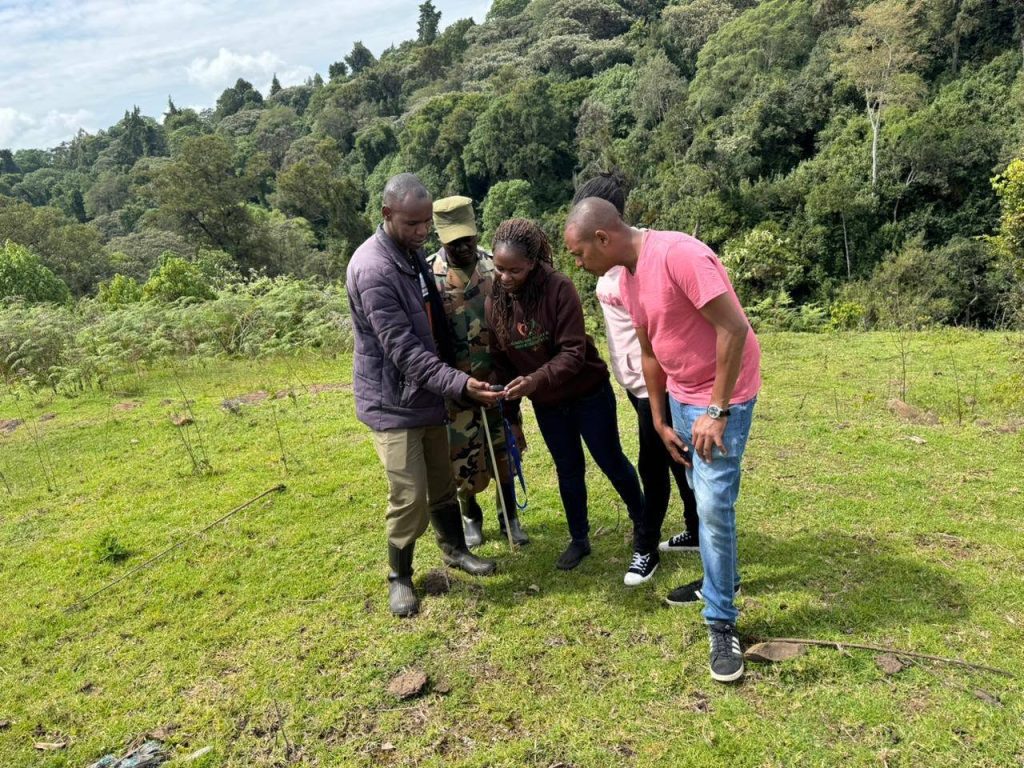
On June 6th, in celebration of World Environment Day, we launched a vital environmental degradation assessment of the Maji Mazuri Forest Click to open side panel for more information . This assessment is the foundational bedrock for our upcoming forest rehabilitation project, marking a critical step toward restoring the ecological heart of our territory.
The Challenge Facing Maji Mazuri
Over recent years, the Maji Mazuri Forest Click to open side panel for more information has faced mounting threats. Deforestation, unchecked soil erosion, overgrazing, and the compounding pressures of climate change have led to a distressing decline in biodiversity, with several indigenous species facing the threat of local extinction.
Recognizing that we cannot protect what we do not understand, we organized this assessment to map the damage and identify clear, community-led solutions for regeneration.
A Collaborative Approach to Conservation
This effort was truly a community-led endeavor. Working hand-in-hand with professional foresters and our dedicated team of Ogiek community scouts, we engaged in a rigorous process of mapping and analysis:
- Mapping Degraded Areas: We utilized modern GPS and GIS technology to visualize the scale of the damage. Our community scouts were instrumental in this stage; their deep familiarity with the terrain, paired with an enthusiasm for mastering new digital tools, allowed us to pinpoint specific areas needing urgent intervention with remarkable precision.
- Analyzing Root Causes: We moved beyond surface-level symptoms to explore the systemic drivers of degradation. Through guided discussions, we analyzed the impacts of illegal logging, overgrazing, and climate-induced stressors.
- Bridging Wisdom Systems: This assessment was a profound exchange of knowledge. Our scouts learned technical conservation methods from forest officers, while simultaneously offering their own observations about the long-term changes they have witnessed in the forest.
Our Mission for Resilience
This assessment is a key component of KOWYN’s larger mission: to regenerate our ecosystems, safeguard our Indigenous territories, and build community resilience in the face of environmental shifts. We are committed to a future where our forests are not just preserved, but actively restored.
We extend our sincere gratitude to our partner, FIMI (International Indigenous Women’s Forum), for making this critical assessment possible. Their support empowers us to lead the charge in reclaiming our land.
At KOWYN, we are not just observing the degradation of our forest; we are actively healing it. By blending modern mapping technology with our deep-rooted ecological wisdom, we are ensuring that the Maji Mazuri Forest remains a thriving, vibrant home for our people and our biodiversity for generations to come.