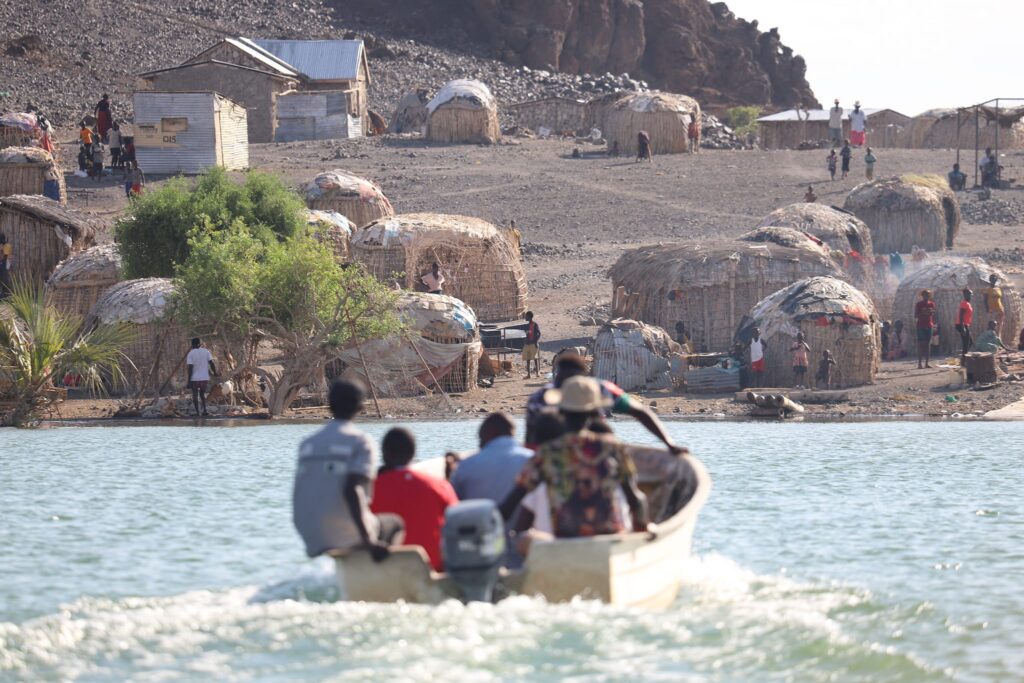
A Visit to Loiyangalani, Lake Turkana
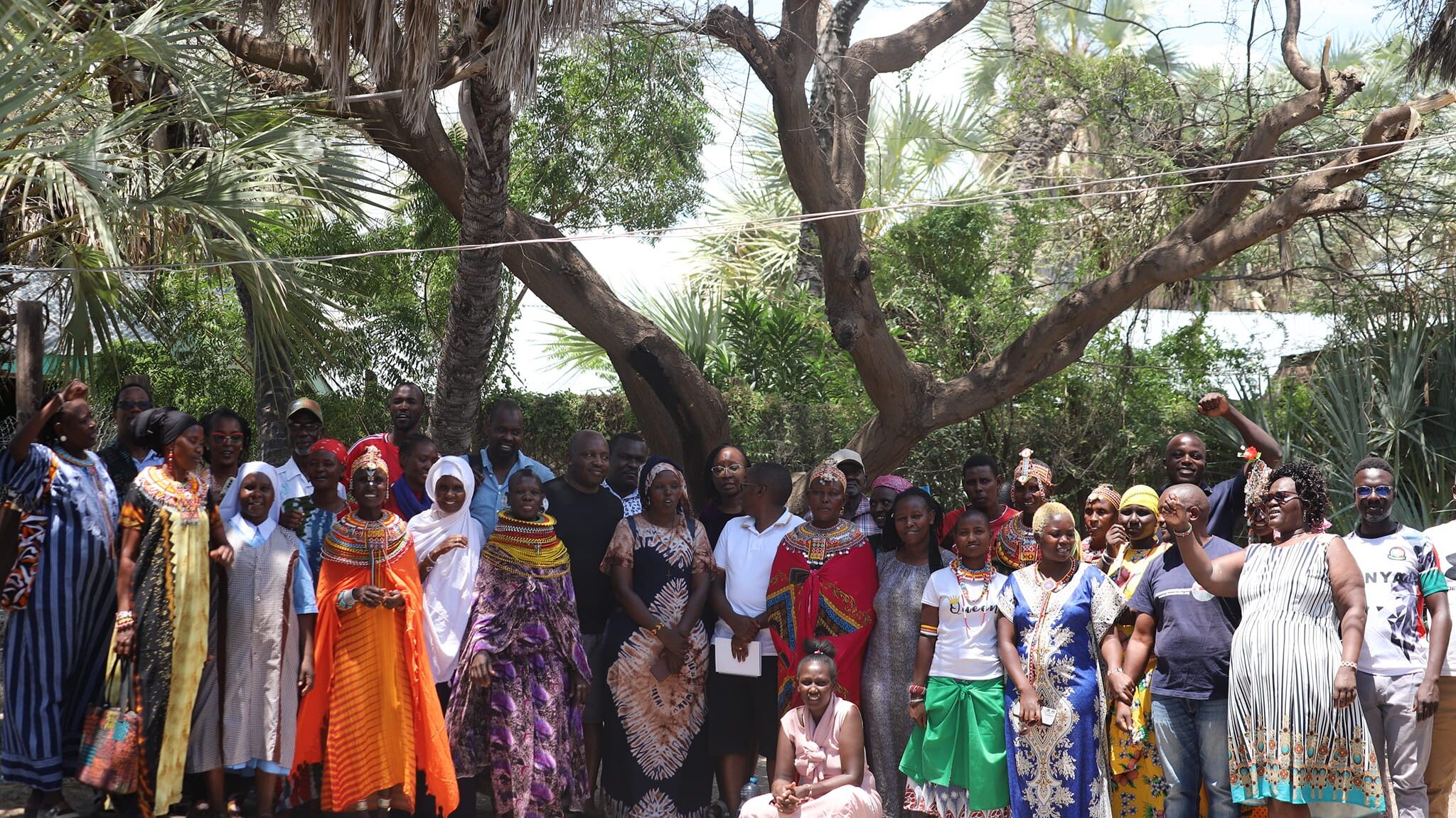
15 August 2024, Loiyangalani, Marsabit County– Alongside our allies and partners American Jewish World Service – AJWS, Defenders Coalition, Hivos East Africa, Indigenous Women Council-Kenya, Isiolo Gender WATCH, Namati Kenya, and Samburu Women Trust, KOWYN‘s Judy Kipkenda visited Loyangalani, hosted by the Wong’on Initiative WOMEN GROUP. Loiyangalani means “a place of many trees” in the native Samburu tongue. Despite several challenges during the journey—such as getting stuck at the Milgis River in the middle of the desert, enduring the tiresome trek over rough, impassable roads, and consuming large amounts of water to stay hydrated due to the scorching sun and high temperatures—it was an experience we embraced as part of our identity as Indigenous peoples. Despite these obstacles, we managed to spend valuable time interacting with the local communities of Loyangalani, who shared the significant challenges they faced.
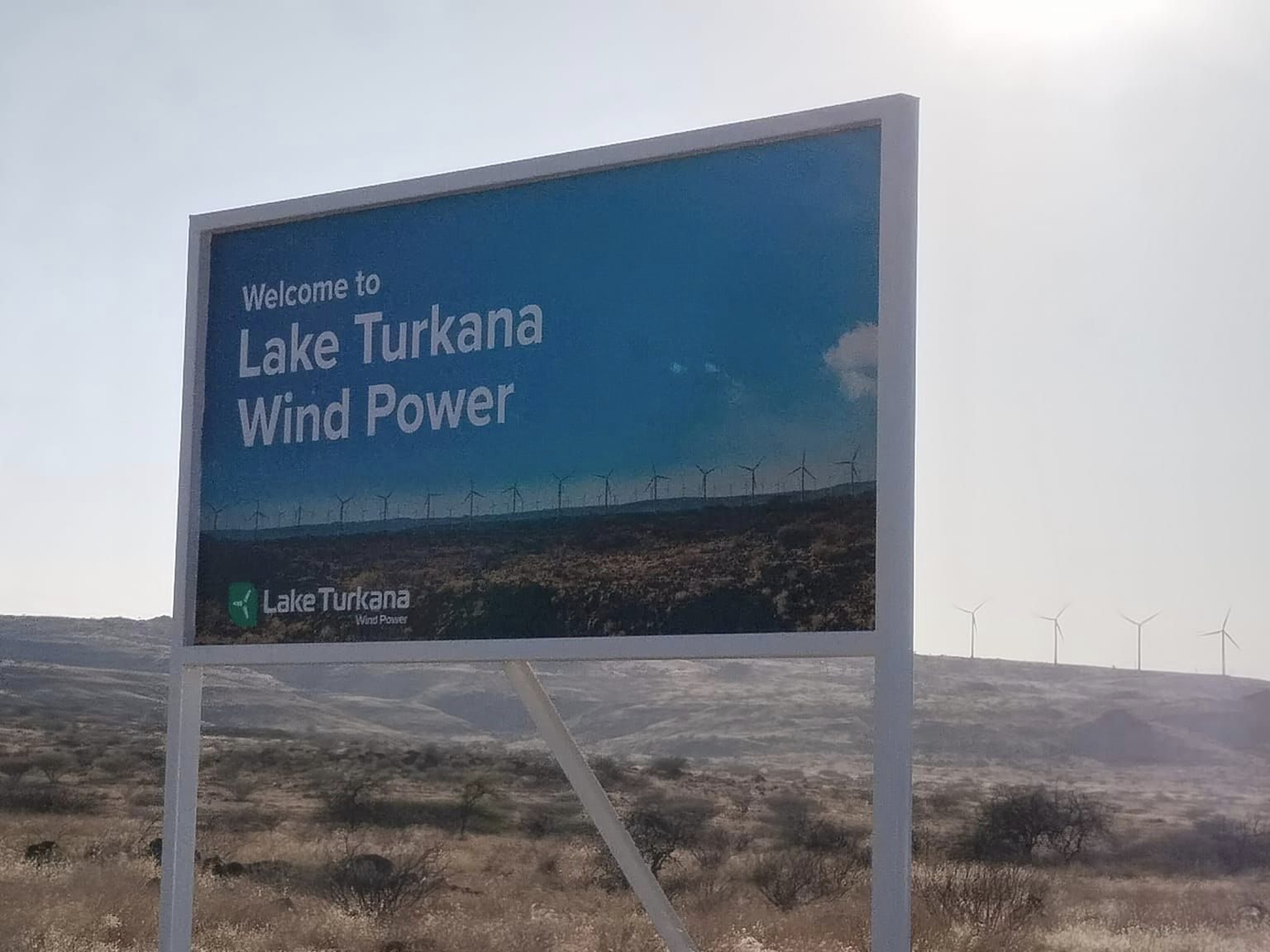
One of the primary concerns raised by the local communities is the impact of mega-projects, such as the Lake Turkana Wind Power (LTWP) project, on their lives. They argue that this project is not implemented in a socially responsible manner that considers the well-being of local communities. The LTWP project is situated in an area inhabited by Samburu, Turkana, El Molo, and Rendille pastoralists, whose livelihoods depend on livestock herding and fishing. These communities self-identify as indigenous and are recognized as such by the international community. The Lake Turkana Wind Power Project, conceived in 2006, saw its first wind turbine erected in March of that year, and full commercial operations began in 2019. The wind farm comprises 365 wind turbines provided by the Danish company Vestas.
However, the installation of these wind turbines has negatively affected the indigenous communities due to the occupation of their lands without prior consultation and forced displacement. Indigenous peoples’ policies and safeguard standards were not observed, such as the right to Free, Prior, and Informed Consent (FPIC). While the consortium recognized the El Molo people as indigenous, it argued that they lived too far from the project to be impacted, concluding that no indigenous communities would suffer the effects. This conclusion contrasts the African Commission on Human and Peoples’ Rights, which has recognized all four groups as indigenous groups.
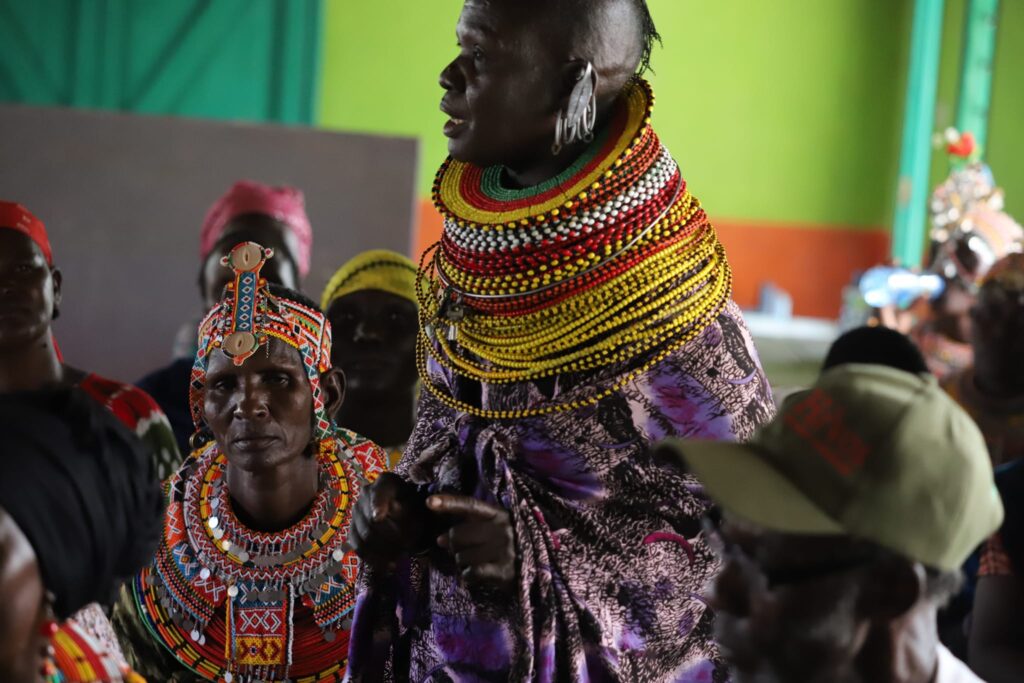
Adding to the community’s frustration is the fact that while the LTWP project provides energy to Kenya’s national grid, the local communities residing near the project are not connected to the electricity grid. Although it is technically possible for Indigenous people to pay for the service to obtain electricity, the exclusion of these communities from the project’s benefits remains a contentious issue. The community has expressed growing concerns about employment practices related to the wind power project. During the construction phase, many jobs were short-term and unskilled. Since construction has ended, local employment opportunities have been scarce, with only a few positions available, such as security guards and seasonal casual laborers. Unfortunately, most of the higher-skilled jobs, like engineering roles, have gone to individuals outside the community.
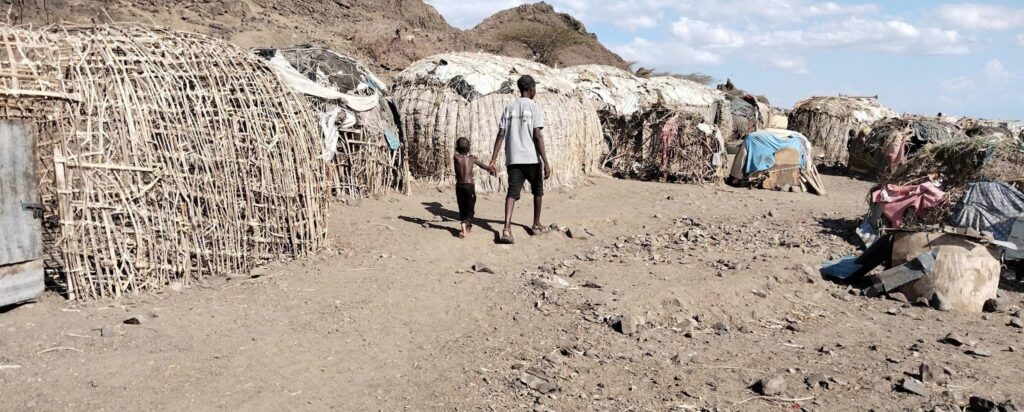
A rising issue is that many of the casual labor positions, which were once filled by locals, are now being outsourced. The local casual workers who were originally employed have been let go. Project officials argue that the locals lack the necessary operational skills, which has led to frustration within the community. During a recent visit, local youth were vocal about their intentions to protest and march to the LTWP offices to demand their rights. The outsourcing of casual jobs is particularly troubling to the community, as a staggeringly high number of local youth are unemployed. Many of them have pursued courses aligned with the project’s requirements in hopes of securing employment. To maintain peace and foster good relations, community elders are urging the LTWP to invest in training the local youth for both labor and casual positions. They argue that it is unacceptable for a project operating on their land, which was allegedly acquired through force and without compensation, to outsource skilled and unskilled positions. The community views this as immoral, inhumane, and exploitative.
The LTWP also has a foundation set up as part of its corporate social responsibility efforts: Winds of Change Foundation (WoC). Its stated aim is to seek to improve the lives of local communities and to finance projects related to health, education, water, and road infrastructure. The WoC has received mixed reviews, with most locals believing its activities are aimed more at serving the LTWP than the local communities. The construction of a road and the police station in Loiyangalani, for example, did not reflect community priorities.
Adopted from Samburu Women Trust