Strengthening Roots, Growing Futures: A Week with Ogiek Communities
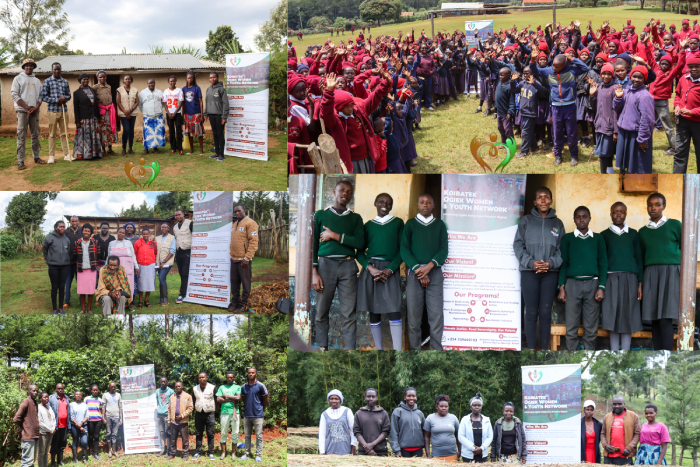
From 10th to 13th September 2025, the Koibatek Ogiek Women and Youth Network (KOWYN) embarked on a series of community visits across Nakuru and Baringo Counties. These engagements brought us face-to-face with the heartbeat of our programs: Ogiek women, youth, and learners who are translating training and support into real, sustainable change.
These visits were more than monitoring activities they were about listening, learning, celebrating achievements, and co-designing the way forward for stronger, climate-resilient communities.
10th September – Tabut Ogiek Women & Youth Groups, Visoi Ward, Rongai, Nakuru
We met with the Tabut Ogiek Women Group and Tabut Ogiek Youth Group to review the progress of our work over the past year. The groups highlighted the impact of our interventions and helped shape priorities for the next three years.
Together, we also mapped out sites for a community seedbank and a demonstration farm under the Forest to Farm Program, proudly supported by JAC Trust. These initiatives will safeguard indigenous seeds, strengthen agroecology, and ensure Ogiek communities continue to thrive in harmony with their forest heritage.
11th September – Sabatia Forest Day & Boarding School & Tarakwet/Poror Groups, Eldama Ravine
At Sabatia Forest School, we were delighted to see fruit trees thriving under the care of learners and teachers a true sign of ownership and commitment to a greener future. Students shared their excitement about how these trees will benefit their community in years to come. During this visit, we also identified space for a kitchen garden and agroecology demonstration farm as part of the Seeds of Change Program, proudly supported by Cultural Survival.
In the afternoon, we joined the Tarakwet Kamara Women Group, Tarakwet Tai Youth Group, and Poror Ogiek Women Group. Women expressed how agroecology and kitchen gardening training had transformed their farming practices, enabling them to grow nutritious food and earn income from surplus produce. Beekeeping training also proved impactful, with groups successfully producing honey—a sacred and traditional Ogiek practice. Together, we mapped out sites for a new kitchen garden and demo farm to continue promoting sustainable farming.
12th September – Tumaini Ogiek Women Group, Kiparasoi Ogiek Youth Group & Seguton Comprehensive School
Our visit to Tumaini Ogiek Women Group was filled with inspiration as the women shared how they’ve adopted organic farming techniques, including the use of rabbit urine as an effective foliar fertilizer. Their crops are thriving, ensuring families access nutritious food grown in harmony with nature.
At Kiparasoi Ogiek Youth Group, we found youth actively restoring the Tinet riverbank—grafting fruit trees and processing tree seedlings. Their commitment to agroforestry stands as a model for sustainable livelihoods.
At Seguton Comprehensive School, we witnessed the enthusiasm of young learners. While some fruit trees faced challenges from harsh weather, students showed resilience by suggesting drought-resistant species for the next planting. Their energy and love for trees confirmed the success of our School Greening program—these students are becoming true climate champions.
13th September – Masaita Ogiek Youth Group & Tachasis Ogiek Women Group
Our final visits for the week took us to the Masaita Ogiek Youth Group and Tachasis Ogiek Women Group.
The Masaita youth proudly showcased their work in fruit tree grafting and seedling growing. We also reviewed the five modern beehives donated on World Bee Day, which are now set up and projected to yield up to 25 liters of honey each.
The Tachasis women demonstrated mastery of their agroecology training, including organic farming techniques. One member even demonstrated how she extracts rabbit urine for use as an organic foliar fertilizer an innovative practice with proven results.
Both groups shared their determination to scale up, asking for more support in accessing markets and resources. Their resilience and ambition continue to fuel our mission of empowerment and climate justice.
These visits highlighted not only the successes of the past year but also the collective aspirations of Ogiek communities. From safeguarding indigenous seeds to nurturing young climate champions, the work being done by women, youth, and schools is a testament to the power of community-driven change.