Indigenous Women’s Council Marks a Decade of Advocacy with Bold Declaration in Nanyuki
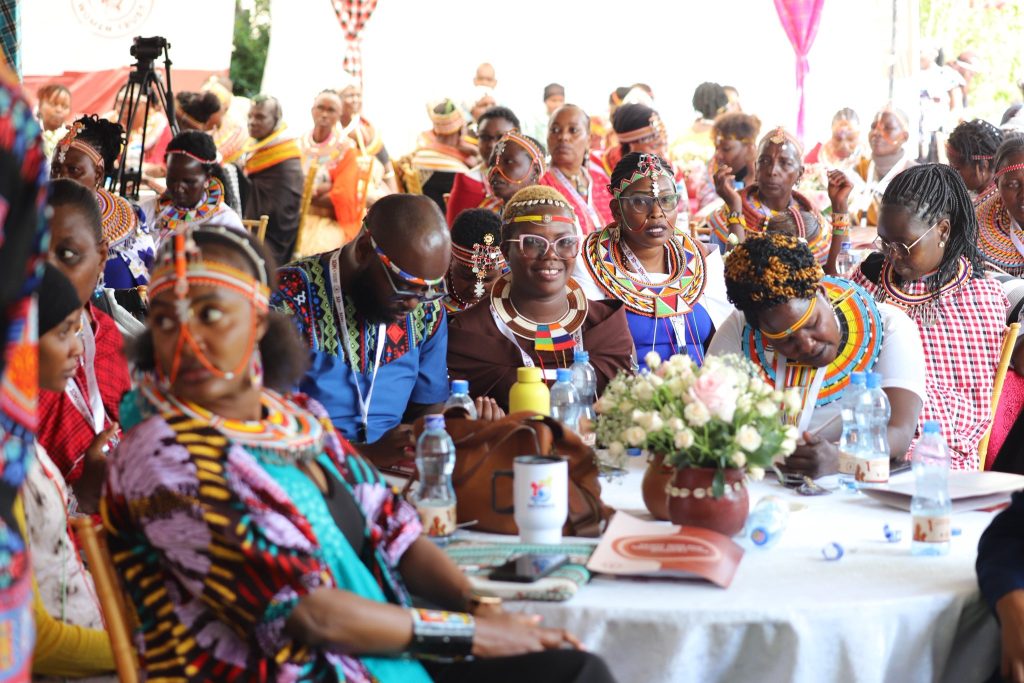
Indigenous women leaders from across Kenya gathered in Nanyuki to mark ten years of collective action, resilience, and solidarity under the Indigenous Women’s Council (IWC). The three day gathering culminated on August 9 with a powerful declaration aligned with the International Day of the World’s Indigenous Peoples, reaffirming the Council’s commitment to justice, equity, and the protection of ancestral lands.
More than 300 women leaders, representing pastoralist, hunter-gatherer, and fisherfolk communities, convened to reflect on a decade of work amplifying the voices of Indigenous women and advancing their rights. Since its establishment in 2015, the IWC has grown into a national platform representing over 10,000 women, building bridges across diverse communities while safeguarding traditional knowledge and defending cultural identity.
A Decade of Building Voice and Visibility
The anniversary celebration featured a Funders’ Roundtable, where Indigenous women leaders engaged directly with partners and donors. Judy Kipkenda, Founder and Executive Director of the Koibatek Ogiek Women and Youth Network (KOWYN), emphasized both gratitude and urgency:
“I sincerely thank all the funders present for believing in Indigenous women and for walking this journey with us. But I ask please, allow us the space to work with you, to make mistakes, to learn, unlearn, and relearn. Our commitment is unwavering. We are ready, focused, and determined to confront the issues that continue to undermine Indigenous women and to boldly advocate for our rights and dignity.”
The convening was made possible through collaboration with American Jewish World Service (AJWS), which has been a steadfast partner in advancing Indigenous women’s rights in Kenya. Over the years, AJWS has supported grassroots organizations fighting for climate justice and land rights, many of whom have achieved historic victories in court and in their communities.
By investing in Indigenous women’s leadership, AJWS has helped strengthen local movements that challenge systemic injustices such as forced evictions, environmental destruction, and political marginalization. Their partnership continues to provide crucial solidarity and resources for women-led organizations charting pathways toward a more just and sustainable future.
Climate Justice at the Core
The event highlighted the urgent intersection of women’s rights and climate justice. Jane Meriwas, Executive Director of Samburu Women’s Trust, delivered a keynote address that connected Indigenous heritage to contemporary struggles against land dispossession and environmental degradation.
“The struggle for land, water, and climate justice is not new to our people. It is a story etched into our songs, ceremonies, and survival. What sustains us is not just advocacy it is memory, and the moral clarity that this struggle is not for us alone. It is for those not yet born. Let us be the generation that did not break the chain of responsibility. The land remembers. The water listens. And the climate waits.”
Her words underscored the need for intergenerational leadership, with elders, women, and youth all contributing to solutions such as reclaiming Indigenous seeds, organizing around water rights, and reviving traditional governance systems to protect communal lands.
A Call to Action
The anniversary concluded with a declaration demanding urgent government action to address persistent injustices. The Council called for:
- Community Land Rights: Streamlining and decentralizing land registration to county level to reduce bureaucratic barriers.
- Political Representation: Enforcing affirmative action to guarantee Indigenous women, youth, and persons with disabilities seats at decision-making tables.
- Access to Justice: Resolving historical injustices and compensating victims of displacement, human-wildlife conflict, and harm from extractive projects such as LAPSSET and British Army training exercises.
- Education Reform: Incorporating Indigenous knowledge and awareness of harmful cultural practices into the national curriculum.
- Gender Justice: Establishing adequately staffed gender desks in police stations across Indigenous territories to address gender-based violence and FGM cases.
Looking Forward
This year’s global theme, “Indigenous Peoples and AI: Defending Rights, Shaping Futures”, added a new dimension to the dialogue, focusing on Indigenous Data Sovereignty the right to govern and protect cultural, linguistic, and territorial information in the digital era.
The Council reaffirmed its commitment to ensuring that technology serves as a tool for empowerment rather than exploitation, while continuing to defend ancestral lands, advance women’s leadership, and strengthen solidarity across communities.